
How HRMS helps your remote workers feel more connected
Lower stress levels, better morale, greater productivity… the list of remote working benefits can seem endless, but timely communication remains the biggest challenge for virtual teams. Good management practice aims for everyone to receive the same message at the same time, but how do you ensure distant remote workers enjoy the same experience as those at HQ? The answer lies in technology, and your HRMS can play a pivotal role in boosting remote working and employee engagement.
Availability and transparent calendars
For those in the office, it’s easy to assume remote colleagues are “off work.” Your HRMS’ time and attendance features keep every team member’s calendar visible, so peers know when someone is collaborating, heads down on focus time, or offline. This transparency helps in keeping remote employees engaged by reducing the “us vs. them” mindset in virtual teams.
Similarly, when everybody is punching in and out via the HRMS, there is parity of treatment and therefore fewer accusations (often unspoken) of the team’s telecommuters having an ‘easy life’.
Breaking down barriers with collaborative tools
An HRMS that integrates with tools to engage remote employees (think instant messaging, video calls, crowdsourcing platforms, and online communities) makes cross-location teamwork seamless. By embedding virtual employee engagement capabilities in your HRMS, distance fades into the background, allowing anyone to ping a colleague just as easily as if they were across the desk.
Broader feedback options for continuous connection
A common complaint among remote workers used to be, “I don’t know how I’m doing.” However, modern HRMS platforms offer instant feedback channels, replicating casual check-ins that happen in the office hallway.
Beyond virtual employee engagement, these tools support scheduled video reviews, pulse surveys, and real-time recognition. Regular two-way checkpoints ensure remote employee recognition and give every team member equal face time with their manager.
Recognition and rewards
Celebrating achievements keeps motivation high and helps retain remote employees. Use your HRMS to automate badges, spotlight contributions in company-wide announcements, and tie recognition to real-time performance data. When peers can “like” and comment on successes, you create a culture of appreciation that powerfully drives remote employee engagement.
Self-service = same service
Self-service dashboards let every employee, wherever they are, update personal details, submit leave requests, or view payslips in exactly the same way.
This parity supports best practices for training remote employees by centralizing policy guides, e-learning modules, and compliance checklists. Consistent access puts all staff on an even footing, no matter their location.

Free white paper
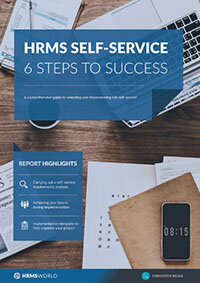
HRMS Self Service - 6 Steps to Success
Your comprehensive guide to selecting and implementing HRMS self-service
Featured white papers
-
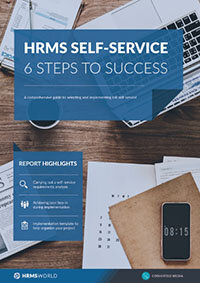
HRMS Self Service - 6 Steps to Success
Your comprehensive guide to selecting and implementing HRMS self-service
Download
Related articles
-

3 ways HRMS can automate workforce planning
Workforce planning is no simple task. An HRMS can be the asset you need to improve efficiency and...
-

Making the most of manager self-service: six tips
Your managers are busy people, so here’s how to engage them with your HRMS self-service module
-

How HR Technology Can Identify Employee Skill Gaps
This article will guide you through the process of identifying employee skill gaps via your HRMS.