
Four payroll errors that a new HRMS can eliminate
Payroll errors can be a hassle to find and a headache to clean up. They cause stress to employees and are a source of frustration for your payroll and HR teams. A new HRMS will help to alleviate these issues by eliminating payroll errors. Here are four areas where a new HRMS can improve error-prone situations.
1. Phantom employees
The scenario of an employee who never starts but receives paychecks is, unfortunately, not a myth. A new HRMS enhances visibility through configurable workflows, making it easier to build in extra checks and balances online. False employees are more easily noticed when more eyes are included in the process.
Visibility extends beyond the core team and hiring managers. Higher-level managers can raise questions with HR when an unfamiliar name appears on their team dashboard through HRMS self-service. HRMS organizational chart functionality provides visibility, allowing anyone in the organization to catch such errors.
Learn how to manage payroll with HRMS using our comprehensive guide to key HRMS payroll principles
2. Mistakes in employee classification
Determining whether a new position is filled by an employee or an independent contractor is crucial. Before implementing an HRMS, it was easy to choose the wrong category.
The downstream impacts of a mistake in classification are significant, as compensation, benefits, and retirement savings will be incorrect. An integrated payroll module addresses this issue by classifying a position as either employee or contractor.
All process steps and data elements are assigned based on this decision. A properly configured HRMS eliminates employee classification problems.
3. Poor data entry
A common payroll issue is incorrect data entry. A data entry operator entering details from paper forms can occasionally make a mistake, and sloppy handwriting can pass by the data auditor.
Implementing a new HRMS that allows employee self-service access enables employees to enter and review their details. Employees know their own data better than anyone else and have a vested interest in entering it correctly. An HRMS payroll module reduces errors in this area.
4. Missing changes in date-related transactions
Age-related transactions are payroll errors that should be preventable but require frequent and time-consuming audits. Does your company provide health coverage to dependents over the age of 21 who are in full-time education?
Is there automatic functionality to remove the benefit when a dependent reaches the cut-off age? Does your HRMS handle regular status checks to ensure that the dependent still qualifies for the coverage? These small details can be missed or forgotten.
A new HRMS payroll module can handle this administration easily, eliminating date-related errors and excess premium payments.

Free white paper
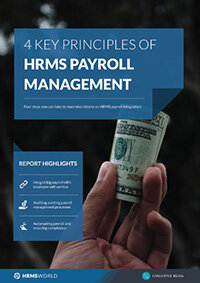
Four key principles of HRMS payroll management
A comprehensive guide to help you manage payroll effectively with HRMS
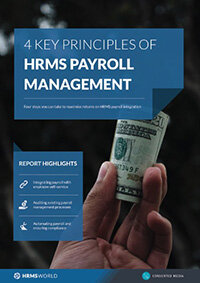
Featured white papers
-
Four key principles of HRMS payroll management
A comprehensive guide to help you manage payroll effectively with HRMS
Download
Related articles
-

A five step guide to assessing your payroll processes
How to review your payroll processes effectively before implementing new software
-

Outsourcing payroll: Pros, cons, and a decision guide
When looking to outsource payroll, it is important to understand the potential disadvantages that...
-

HRMS, ERP, payroll, and you
Which system should you choose: HRMS or ERP?