
HRMS Training: The Process and The Users
One of the biggest challenges of implementing an HRMS is ensuring that everyone can use it effectively. While the system performs a range of specialized HR functions, its users are not specialists. Every employee must at least be able to log in and manage routine personal data tasks, freeing HR staff to focus on strategic work.
Any IT system change inevitably disrupts established workflows. Users must learn new processes and adapt to updated functionalities. Think of the frustration when a familiar app updates its interface. HRMS training is no different. A well-structured training program is essential for a smooth transition and long-term success.
Different stakeholders require different levels of HRMS training. The primary user groups typically include:
-
The Executive or C-level users, who rely on HR analytics and strategic reporting features.
-
Line managers, responsible for employee recordkeeping, workforce scheduling, leave management, recruitment, onboarding, and performance tracking.
-
Employees, who need to access and update their personal records, request time off, and make benefits selections.
-
HR staff, who not only manage the system but also guide others, generate reports, and provide strategic insights.
Structuring the HRMS training process
In terms of the HRMS training process, it’s no different from any other upskilling project.
- First, establish what you need each group to be capable of doing. This is the ‘destination’ and should be determined by (or at least linked to) the overarching business objectives that the HRMS is intended to support.
- Find out what users are capable of doing now. In other words, where are they now? You don’t want to waste time on training materials for anything they already know, but equally, you can’t risk making any false assumptions.
- Design tailored learning experiences. Different roles require different training formats, whether interactive workshops, self-paced tutorials, or hands-on practice sessions.
- Deliver the training. Provide clear, engaging instruction through the most effective channels.
- Evaluate and refine. Gather feedback, measure competency levels, and adjust the training program as needed to maximize effectiveness.
Prioritizing training over deadlines
The main message here is not to underestimate the importance of HRMS training to your HRMS’s ultimate success. Hitting your go-live target date is hugely desirable in terms of being seen to deliver what you promised. However, staging the big ‘switch-on’ in line with the original timetable at the expense of users’ ability to utilise the system is a false victory.
Effective and targeted HRMS training doesn’t just enable everybody to use the system effectively, it also demonstrates your commitment to providing a system that will actually be of value to the organisation and to the individual. That’s the kind of engagement that you don’t want to compromise on.

Free white paper
HRMS implementation: 9 steps to success
Get your detailed guide to planning and executing an HRMS implementation
Featured white papers
Related articles
-

A five step guide to assessing your payroll processes
How to review your payroll processes effectively before implementing new software
-
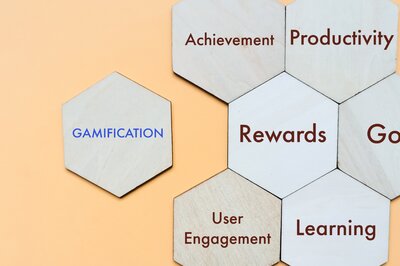
Three gamification ideas to increase HRMS user engagement
HRMS gamification is a good way to engage users with new software - use these ideas to get going
-

6 security questions you must ask your HRMS vendor
Read our expert's 6 essential questions to ask your HRMS vendor about the security of their system.