
3 Reasons Integration and Customization Are Set to Make Your HRMS Budget Overrun
Two words that can bring fear into the eyes of seasoned project managers are ‘Integration’ and ‘Customization,’ especially on HRMS projects where employee data can be complex as well as needed by many pockets in your organization. Have you adequately prepared, or are you heading toward a budget overrun? Here are three key reasons why complex integration and customization can cause HRMS budget overruns, and how you can avoid them.
1) Integrations involve many handoffs
When integrations work seamlessly, they’re a boon to system users. However, getting to that point typically involves multiple project resources: HRMS users to define requirements for the HRMS, business analysts to design and document solutions, developers who build the solution and then everyone gets involved in testing it out. With so many people involved, the risk of delays increases—if one person is out, the whole process can be halted.
Additionally, if the receiving system is outside your organization (such as with benefits or payroll providers), it can be even more challenging to influence task completion. Furthermore, if your company utilizes offshore resources or operates globally, time zones can exacerbate delays, leaving resources idle while waiting for one person to catch up.
2) Customizations can have far-reaching effects
While customizations are sometimes justifiable due to business impact, it’s important not to lose sight of the effort required to bring them to fruition. Extensive testing is required not only for the customization itself but also for related components such as integrations and user security access.
Often, the project plan includes development and testing, but these timeframes are frequently underestimated, particularly when an item is sent back for rework and re-testing. These delays can accumulate, leading to significant timeline extensions.
Recommended Reading: HRMS Selection Survival - Your guide to finding an HRMS with the right integration
3) Integration and customization often require approvals
Most companies have stringent oversight, governance, and procedures regarding integration and customization. Many project plans, however, do not take these processes into account so project tasks can become delayed when waiting for the green light. For example, an integration of employee bank account and birthdate to a credit card vendor may require a compliance, legal, or data privacy review. A customization to accommodate a financial hierarchy in the HRMS may require review from an HR and IT committee as customizations such as these have a daily operational impact as well as a long-term financial cost. Without tight management of these activities, you may run over your timing and thus suffer an HRMS budget overrun.

Free white paper

HRMS Software Pricing Guide
Get your comprehensive guide to the cost of HRMS software.

Free white paper
HRMS implementation: 9 steps to success
Get your detailed guide to planning and executing an HRMS implementation
Featured white papers

Related articles
-

A five step guide to assessing your payroll processes
How to review your payroll processes effectively before implementing new software
-
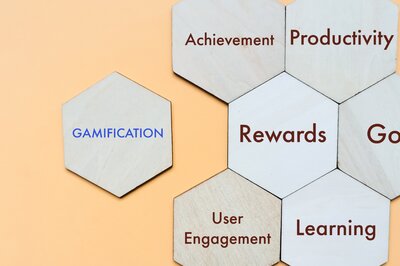
Three gamification ideas to increase HRMS user engagement
HRMS gamification is a good way to engage users with new software - use these ideas to get going
-

Performance management software guide: how to deliver effective results
How can your HRMS performance management module