
3 ways HRMS can improve your employee retention
Are you struggling with employee retention? High employee turnover can have a significant impact on an organization's bottom line, with replacement costs often amounting to 20% or more of an employee’s annual salary. These costs escalate even further when it comes to retaining talent with specialized skills. Even lower-skilled roles, which may face frequent turnover, contribute heavily to HR and operational costs over time.
By using your HRMS (Human Resource Management System), you can implement strategies to enhance employee retention, helping reduce these costs and improve overall organizational stability.
Here are three ways your HRMS can help:
1. Use Turnover risk dashboards and reports to retain employees
Modern HRMS solutions come equipped with turnover risk dashboards and reporting tools, offering invaluable insights into your workforce. These dashboards use predictive analytics based on historical data, identifying trends and patterns to highlight employees who may be at risk of leaving. By utilizing this data, your HR team can act proactively, targeting employees who are likely to leave with interventions that encourage them to stay.
Predictive analytics in employee retention can pinpoint warning signs that are often overlooked. For instance, does a specific department show signs of burnout among employees after a certain number of years? Are certain roles in your organization lacking growth opportunities, pushing high-performing employees to look elsewhere? These insights allow your HR team to act strategically and retain top talent by addressing the underlying issues that contribute to turnover.
Practical steps to implement this:
- Set up regular reviews of turnover risk reports to ensure HR and managers are aware of potential flight risks.
- Track trends over time to identify systemic issues that could affect broader groups of employees.
- Coordinate with department heads to adjust workloads or offer career development opportunities before employees start seeking external opportunities.
2. Proactively target high-risk employees using HRMS data
In addition to manager and HR dashboards, HRMS platforms can help you actively target at-risk employees with opportunities before they decide to leave. Many HR teams already use HRMS tools to identify internal candidates for open positions, but workforce retention can be improved by taking this a step further.
By analyzing historical and current data, your HRMS can identify employees who are not only at risk of leaving but may also be eligible for open positions or roles that will become available soon. For example, if an employee has the skills for a different department, they can be recommended for new opportunities, giving them a chance to grow within the company instead of looking externally. This kind of talent retention strategy is essential in keeping high performers engaged and motivated.
Recommended Reading: HRMS Selection Guide - Select an HRMS that will support employee retention
Actionable advice:
- Create alerts for when high-potential employees are flagged as retention risks and ensure these employees are being considered for internal opportunities.
- Use the HRMS to identify possible future openings—such as from retirements—and match these roles with employees who have similar skills or career ambitions.
- Encourage managers to discuss career progression plans with these employees, offering new challenges and responsibilities to keep them engaged.
3. Build your career paths into your HRMS to promote employee growth
A well-defined career path is one of the most effective ways to boost employee retention. Often, employees leave because they feel there is no room for growth or because they are unaware of the opportunities available within the organization. Your HRMS should house structured career paths, helping employees visualize their potential trajectory within the company.
Retention of employees is closely tied to how well they can see themselves growing with your company. A career path should not only define the next logical role for an employee but should also connect them to other departments where their skills may be needed. For example, someone in a financial analyst role might not know that they have a clear path to a senior finance position unless it is explicitly laid out in the HRMS.
Step-by-step guide to building career paths:
- Map out logical progression for every role in the company. For instance, an entry-level finance associate should have a clear path to roles like financial manager, director of finance, and even CFO.
- Ensure this career path is visible to employees through their HRMS portal, so they can take control of their own career development.
- Integrate employee skills assessments into your HRMS to ensure employees are aware of any gaps they need to close to reach the next level in their career path.
Checklist for maintaining career paths in HRMS:
- Regularly update career paths to reflect organizational changes.
- Encourage managers to review career paths with employees during performance evaluations.
- Ensure that career paths include cross-departmental moves to improve workforce retention by offering lateral and vertical growth opportunities.
Conclusion
Ensuring employee retention requires a combination of proactive strategies and the right technology. An HRMS can support these efforts by providing valuable insights into workforce trends, enabling HR teams to make informed decisions that benefit both the employees and the organization. By investing in tools that offer predictive analytics, personalized career paths, and real-time engagement opportunities, businesses can create a workplace that encourages long-term loyalty and growth.
Effective retention strategies not only reduce the cost of turnover but also strengthen the overall organizational culture, positioning the company as a place where employees want to build their careers.

Free white paper
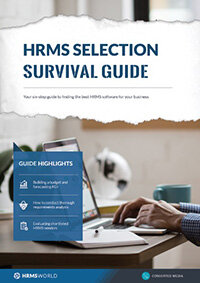
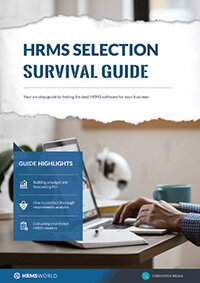
HRMS Selection Survival Guide
Select the right HRMS for your company with this easy-to-follow guide
Related articles
-

Five common employee onboarding problems and how to fix them
Don’t let these employee onboarding mistakes hold you back - your HRMS can help!
-

Eight of the best HRMS for recruitment features
Which HRMS solutions should you be looking at for high-quality recruitment features? We review so...
-

3 ways HRMS can automate workforce planning
Workforce planning is no simple task. An HRMS can be the asset you need to improve efficiency and...