
SaaS HRMS Solutions: Prepare to Move Fast
SaaS HRMS solutions are a topic the HR department can’t ignore these days. Within HR technology circles, the delivery platform is a regular discussion point at industry meetings. Now that we’re gaining experience in this area, lessons are being learned. From a recent meeting, here are a few of our key discussion areas and tips.
Prepare to Move Fast
One of the major selling points of a SaaS HRMS solution is that is has an extremely short cycle to launch, based on the delivery of functionality, processes and core setup data. As a result, shortly after you sign the contract, you may end up with consultants at your door with thick Excel docs needing configuration decisions and values, so that they can show a test system with ‘true’ company values... next week.
On the other hand, as processes and pages are pre-defined, it can truly take your breath away at the ease of bringing functionality to the business. Gone are the days where we gathered requirements to add self-service functionality, wrote functional and technical specs, and went through months of testing. Now, with a little configuration, we can bring new self-service features to employees and managers.
Standardization Is No Longer an Option, but Rather a Requirement
Most SaaS HRMS solutions are built on standardized platforms with delivered processes. *While that’s great from a support and maintenanceerspective, it can be challenging if your business isn’t always in alignment.
For example, if you implement a core SaaS HRMS, you’ll probably have a hire process with various data elements entered and an approval path and it will be great, as it replaces all those paper forms and emails.
Now, about that acquisition in Texas, the one where we decided to keep them on their own HRMS system for a while longer as we could not break their payroll contract, so we didn’t put them into our HRMS as we didn’t want the dual data entry. All of those managers cannot participate in the SaaS hire process, as they do not exist in our HRMS. So now we’re putting in proxy managers for those Texas managers, or we’re hurrying them into *an HRMS upgrade. Yikes.

Featured white papers
Related articles
-

A five step guide to assessing your payroll processes
How to review your payroll processes effectively before implementing new software
-
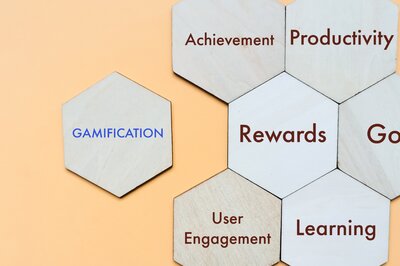
Three gamification ideas to increase HRMS user engagement
HRMS gamification is a good way to engage users with new software - use these ideas to get going
-

HRMS Training: The Process and The Users
HRMS training will most likely be required by all users, but who are the users? And what is the p...